
The Singapore Model for Haiti:
A Strategic Framework for Economic Transformation
Singapore's rise from poverty to prosperity is one of the most extraordinary development stories of the modern era. Its lessons are not about copying policies exactly; they are about understanding the strategic principles behind economic success.
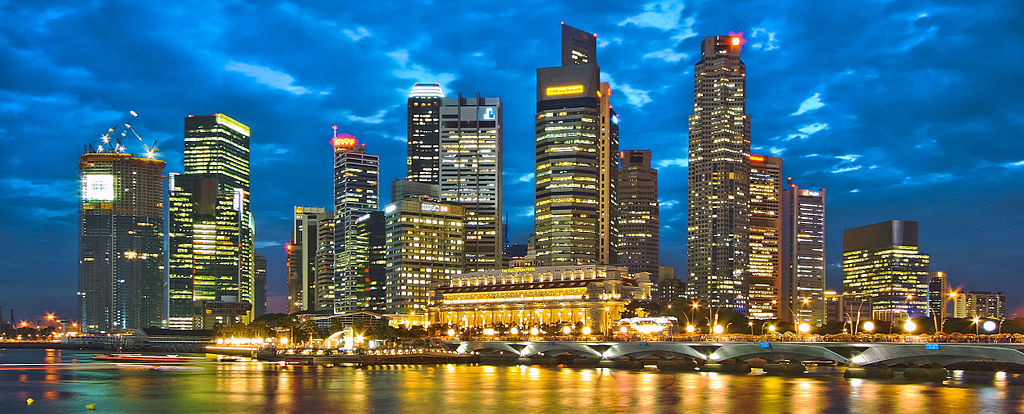
When the island nation of Singapore gained independence in 1965, it faced severe economic challenges. It had few natural resources, high unemployment, and limited domestic industry. The situation was, by most external assessments, fragile. Today, Singapore ranks among the most advanced economies in the world. According to the World Bank, Singapore's GDP per capita exceeds $50,000, placing it among the wealthiest nations globally, a transformation achieved in the span of a single generation through deliberate strategy, institutional discipline, and an unwavering national commitment to growth.
Although Haiti and Singapore differ in many respects, including geography, scale, colonial history, and political circumstance, Singapore's experience provides valuable insights into how a country can transform its economic trajectory. The lessons are not about copying policies exactly. They are about understanding the strategic principles behind economic success, and applying those principles to Haiti's unique context, assets, and opportunities.
Five key pillars stand out from Singapore's experience. Each carries direct implications for Haiti's decision-makers, investors, and policy architects.
Infrastructure as the Foundation of Growth
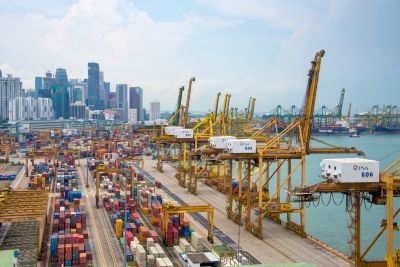
One of the earliest priorities of Singapore's leadership was infrastructure development. Ports, roads, airports, and utilities were expanded rapidly to support trade and industrial growth. Infrastructure was not treated as a secondary issue or a downstream concern. It was the foundation of the entire economic strategy, the precondition for everything else that followed.
Haiti faces a similar foundational challenge today. Reliable electricity, transportation networks, and modern port facilities are essential for economic expansion. Without them, investment and industrial activity remain limited regardless of other policy improvements. The recent $24 million USAID rehabilitation of the Cap-Haïtien port, the World Bank's November 2025 Haiti Resilient Corridors road project, and the $600 million PC Terminals deep-water terminal at Terrier Rouge represent the kind of infrastructure investment this pillar demands. Infrastructure investment must therefore become the first pillar of Haiti's development strategy, not an aspiration, but an immediate, sustained, and sequenced commitment.
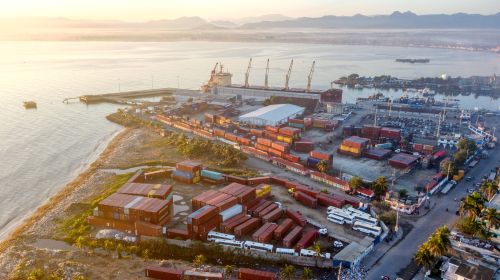
The Cap-Haïtien port's USAID-funded rehabilitation, begun May 2024, is Haiti's most visible current expression of Pillar One.